




We value your privacy
We use cookies to enhance your browsing experience, serve personalized ads or content, and analyze
our traffic. By clicking "Accept", you consent to our use of cookies.
Traditional IP camera dealers are shifting their focus to smart hard hats, driven by the stagnating profit margins of the traditional surveillance market and the explosive growth of industrial wearable demand, which perfectly leverages their existing customer resources and technical capabilities. The core difference between a traditional IP camera and a helmet camera lies in their deployment form, mobility, and scenario-specific functional design, which are tailored for completely different usage environments.

📍 Core Positioning & Deployment Scenarios
- Traditional IP Camera: It is a fixed-mounted surveillance device, usually installed on walls, poles, or ceilings for long-term static monitoring of a fixed area (such as construction site entrances, warehouse perimeters, and public areas). It relies on wired Ethernet or local Wi-Fi for network access, and cannot move with personnel.
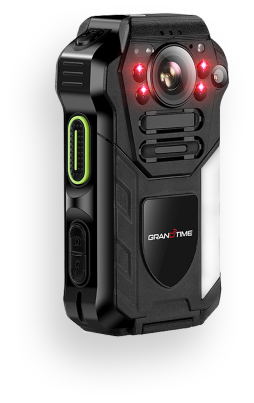
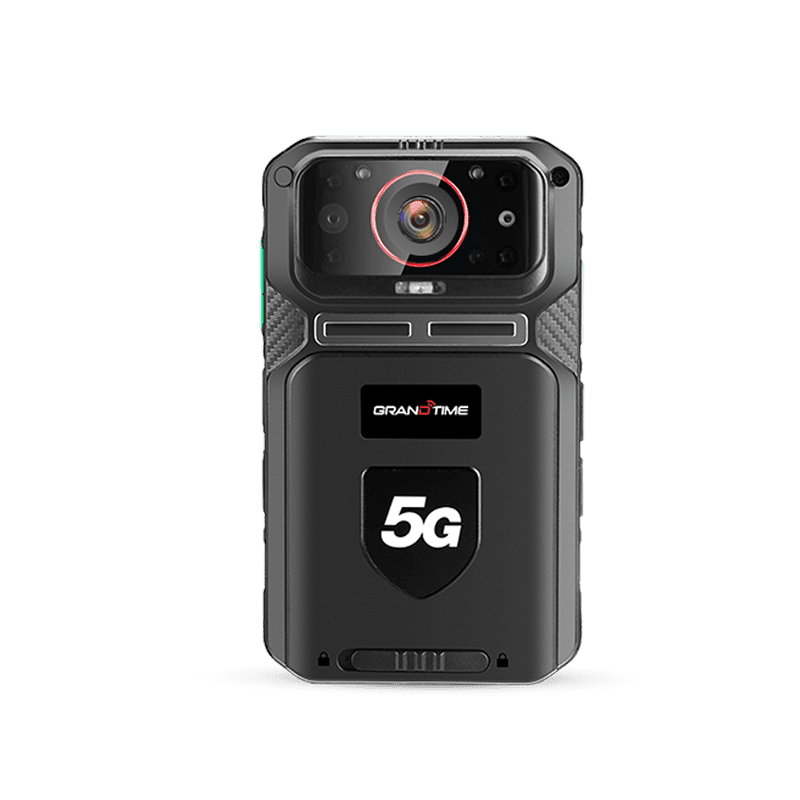
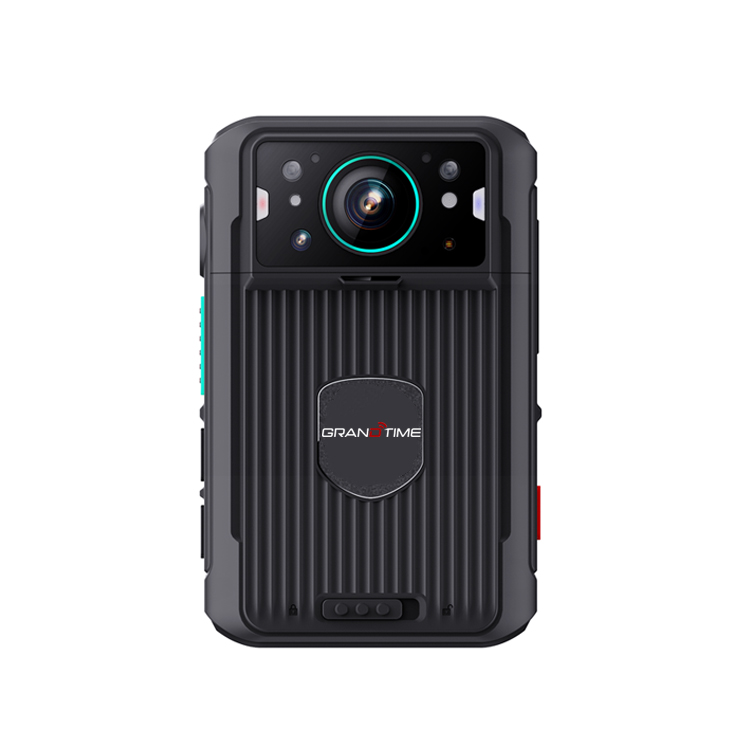
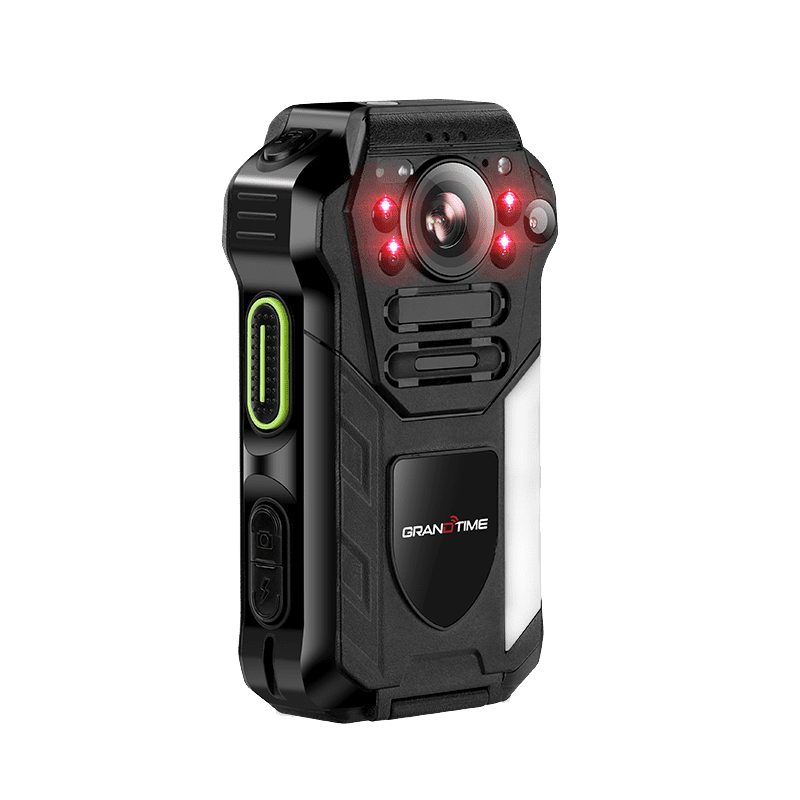
- 4G Helmet Camera: It is a wearable mobile device integrated into a safety helmet, designed for frontline workers who need to move around continuously (such as construction workers, law enforcement officers, and field inspectors). It can move freely with the wearer, capturing first-person perspective footage in dynamic, unplanned outdoor scenarios.
📡 Network & Real-Time Transmission Capabilities
- Traditional IP Camera: Most civilian models only support local Wi-Fi or wired network access. Even 4G-enabled IP cameras are still fixed devices, and their 4G function is only used to solve the problem of no wired network in outdoor fixed locations.
- 4G Helmet Camera: Built-in industrial-grade 4G full Netcom module, which can transmit 1080p high-definition live video back to the management platform in real time anywhere with cellular signal. It also supports Beidou/GPS real-time trajectory positioning, allowing the management end to grasp the wearer's location and on-site situation synchronously .

⚙️ Hardware & Industrial Design
- Traditional IP Camera: The main body is a fixed casing, usually with IP65/IP66 waterproof and dustproof rating, but it does not have anti-drop and wearable design. The battery life is short, and most models rely on wired power supply.

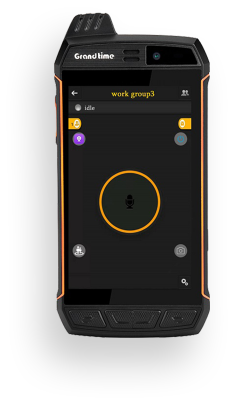
- 4G Helmet Camera: It is highly integrated with the helmet structure. It has passed 1.5m drop test, and the whole machine reaches IP66 dustproof and waterproof level. It is equipped with a large-capacity battery that can support full-shift continuous recording, and it also has special functions such as one-touch PTT intercom, SOS emergency alarm.

🧠 Software & Expansion Capabilities
- Traditional IP Camera: The system is a highly customized embedded Linux system, which only focuses on video surveillance, recording and alarm functions, and does not support the installation of third-party applications.
- 4G Helmet Camera: Most models run a complete Android system, which supports the installation of custom third-party APPs. It is compatible with standard Camera2 API, and can be connected to professional business systems such as on-site inspection and face recognition. It also provides a complete SDK, which can map physical buttons such as PTT and SOS to custom application functions .
| Feature | Traditional IP Camera | Smart Helmet Camera |
|---|---|---|
| Deployment | Fixed installation | Wearable and mobile |
| Viewpoint | Location-based | First-person perspective |
| Network | Ethernet or Wi-Fi | 4G mobile connectivity |
| Monitoring area | A defined fixed area | Moving work areas |
| Positioning | Usually unavailable | GPS or BeiDou positioning |
| Communication | Usually separate system | PTT and voice communication |
| Emergency response | External alarm system | Physical SOS button |
| Applications | Surveillance and recording | Safety, inspection, communication, and video |
| Integration | Camera or VMS integration | Android apps, APIs, and SDK integration |
| Typical users | Security and facility managers | Field workers, supervisors, inspectors, and emergency personnel |
Interested in smart helmet camera solutions?
Explore our 4G smart helmet cameras for construction, industrial safety, field inspection, and public-safety applications.
Contact our team to discuss OEM, ODM, SDK integration, or dealer opportunities.