




We value your privacy
We use cookies to enhance your browsing experience, serve personalized ads or content, and analyze
our traffic. By clicking "Accept", you consent to our use of cookies.
What happens when everyone remembers an incident differently?
A field inspection is completed.
A customer signs off.
The operator returns to the office.
Then, two weeks later, a complaint appears:
“That’s not what happened on-site.”
The operator checks the paperwork.
The customer provides a few photos.
Someone tries to reconstruct the conversation from memory.
And suddenly, everyone is asking the same question:
What actually happened?
This is a common challenge across field operations — from public safety and security to construction, logistics, transportation, utilities, and industrial services.
Traditional methods such as paper records, phone photos, and written reports are still necessary.
But they have one fundamental limitation:
They document what people say happened — not necessarily what actually happened.

The Limits of Traditional Evidence
1. It captures conclusions, not the full event
A written report may tell you:
- What was inspected
- What was decided
- What action was taken
But it often cannot show:
- What was said
- What the site looked like
- What happened before the decision
- How the situation developed
- Who was involved
When a dispute occurs later, organizations may have to rely heavily on individual statements and incomplete records.
2. Human memory is not a reliable evidence system
Field reports are often completed after the event.
By then, details can be forgotten or reconstructed differently.
This becomes especially challenging when an incident involves:
· Multiple people
· High-pressure situations
· Safety incidents
· Customer disputes
· Long working hours
· Complex field environments
The closer evidence is captured to the actual event, the less organizations need to rely on memory.
3. Photos alone don't provide the complete context
A smartphone photo can be useful.
But one photo usually represents only one moment from one angle.
It may not tell you:
What happened before the photo?
What happened after it?
What was being discussed?
Who was present?
What actions were taken?
For many field operations, context matters just as much as the image itself.
4. Evidence can become fragmented
Consider a typical field operation:
Photos → Operator's phone
Written report → Paper / office system
Location → GPS device
Communication → Radio / phone
Video → Another device
When a manager needs to investigate an incident weeks later, someone has to manually reconstruct the entire story.
That takes time.
And the more systems involved, the harder it becomes to maintain a complete evidence trail.
5. Traditional methods provide limited real-time visibility
Once a field operator leaves the office, managers may have very limited visibility into what is happening on-site.
If something goes wrong, the organization may only learn about it after the incident has already happened.
That creates a gap between:
What is happening in the field
and
What management knows.

Traditional Evidence vs. Body-Worn Camera vs. 4G/5G Connected BWC

|
Key Requirement |
Traditional Methods |
Body-Worn Camera |
4G/5G Connected BWC |
|
Evidence Capture |
Paper notes, photos, written reports |
Video & audio recording |
Video & audio + real-time transmission |
|
Event Context |
Limited; depends on written descriptions |
Captures actions, conversations & environment |
Captures the event + enables remote visibility |
|
Time & Location |
Manually recorded or separate systems |
Timestamp & GPS, depending on model |
Timestamp + GPS + connected data |
|
Evidence Management |
Scattered across paper, phones & devices |
Centralized video management possible |
Centralized management + remote access |
|
Real-Time Monitoring |
❌ Not available |
Usually limited/offline |
✅ Live video streaming |
|
Two-Way Communication |
Separate radio/phone required |
Depending on model |
✅ Voice communication with command center |
|
Emergency Response |
Manual reporting |
SOS can be supported |
✅ SOS + real-time communication |
|
Remote Dispatch |
Manual coordination |
Limited |
✅ Remote dispatch & coordination |
|
Incident Investigation |
Relies heavily on reports & memory |
Review recorded video |
Review video + time + location + operational data |
|
Field Visibility |
Low |
After-the-event visibility |
Real-time field visibility |
|
Multi-Site Operations |
Difficult to coordinate |
Suitable for structured deployments |
Connected multi-site operations |
The evolution is not simply from paper to video. It is from documenting what happened to understanding what is happening — and managing the response in real time.
How a Body-Worn Camera Changes the Logic
A body-worn camera changes the approach from:
“Document the result.”
to:
“Capture the event.”
That difference is important.
1. Capture the event from the frontline perspective
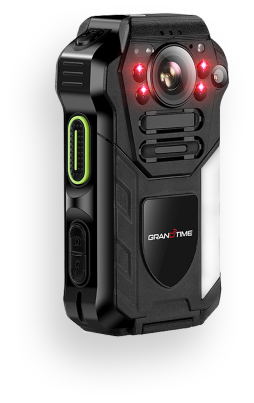
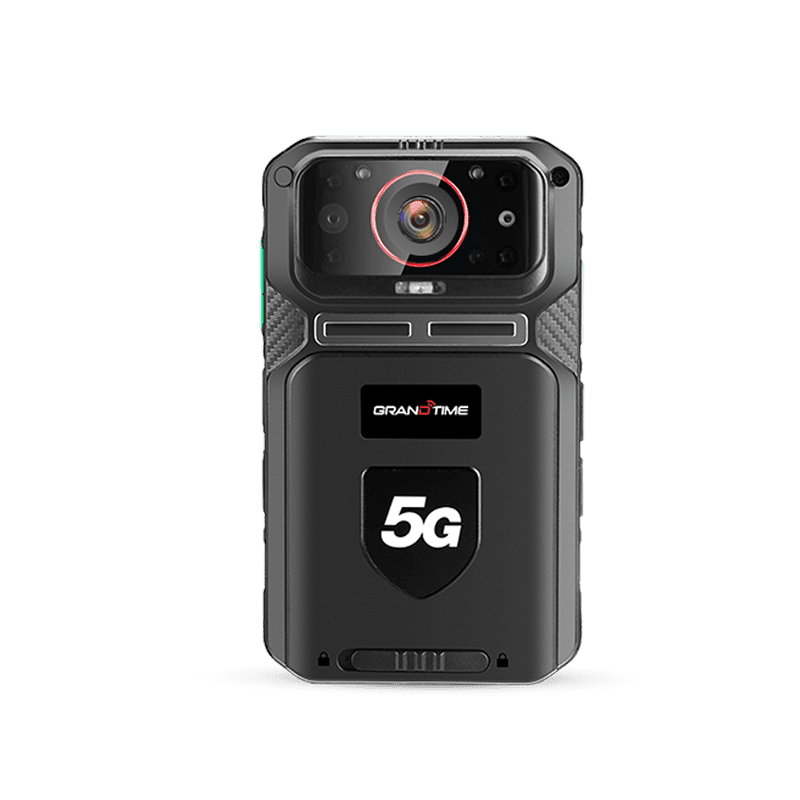
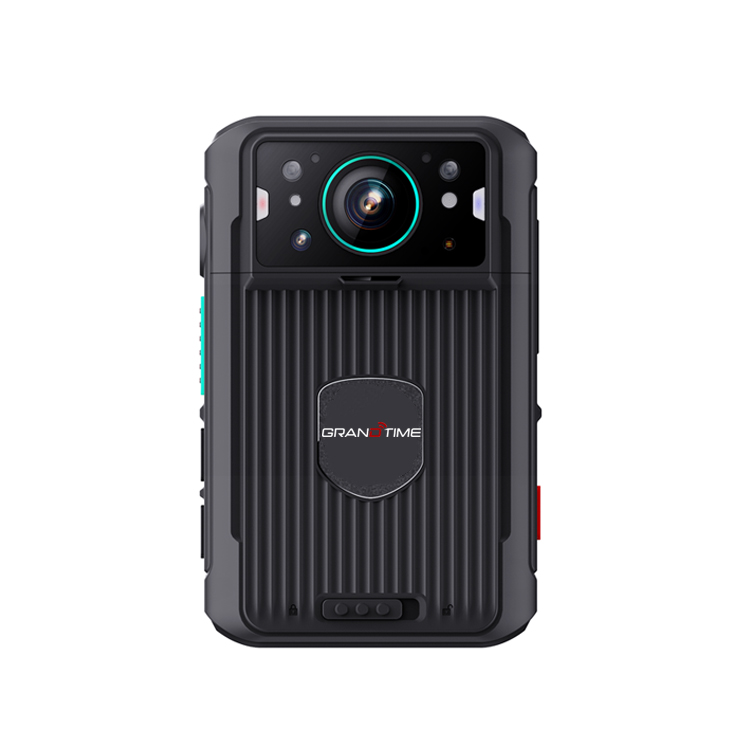
A body-worn camera can continuously record video and audio while the operator performs their duties.
Instead of relying entirely on a written description, organizations can review what happened directly:
Actions + Conversation + Environment + Timeline
The cameras also support pre-recording, helping capture moments immediately before recording is manually triggered.
2. Combine video with time and location information
Modern connected body cameras can associate recordings with information such as:
· Device ID
· Date and time
· GPS location
· User/operator
· Event information
Depending on the platform and configuration, organizations can also apply encryption, access control, audit logs, and other security mechanisms to strengthen evidence integrity.
The goal is simple:
Make field evidence easier to verify, manage, and trace.
3. Designed for real-world field environments
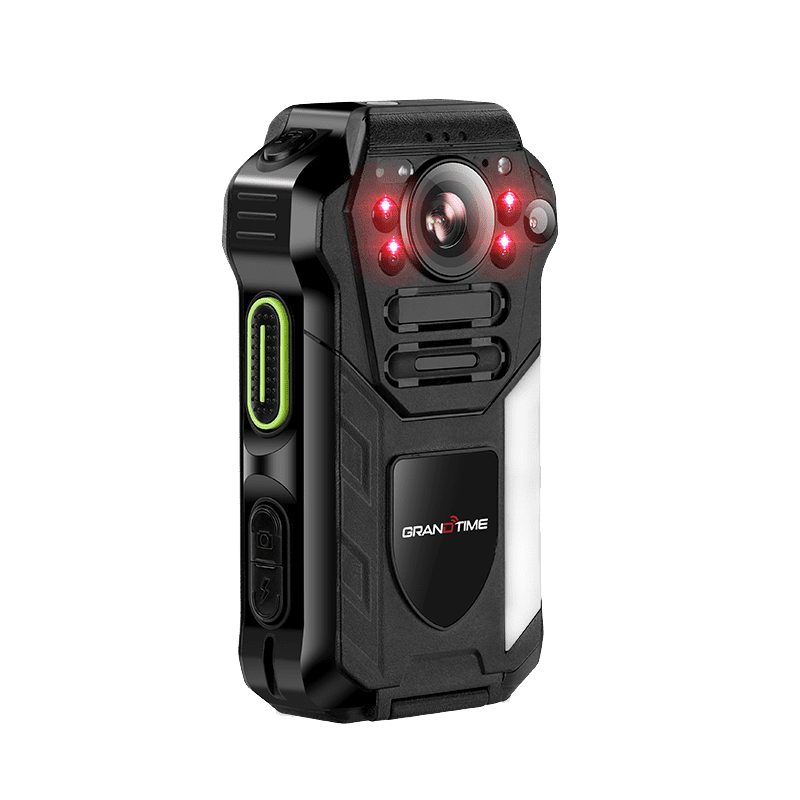
A professional body-worn camera is not simply a smartphone attached to a uniform.
Depending on the model, it can be designed for:
· Low-light environments
· Outdoor operations
· Noisy environments
· Long working shifts
· Rain and dust
· Frequent movement
· Hands-free operation
Features such as night vision, image stabilization, noise reduction, rugged design, and long battery life can make a significant difference in real field conditions.
4. From video recording to a complete evidence workflow
This is where the real value starts to appear.
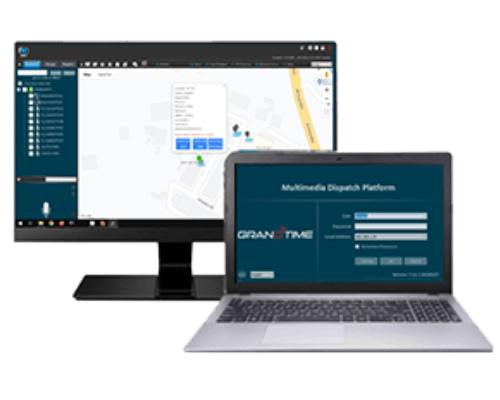
A body camera becomes much more powerful when it is connected to a management platform.
The workflow can become:
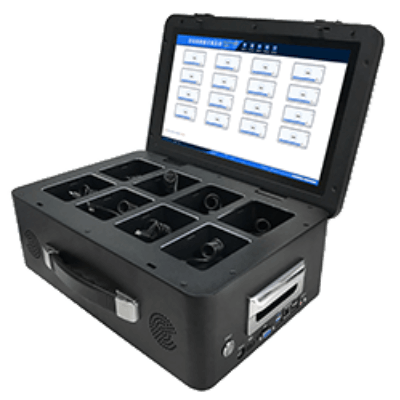
Capture → Upload → Store → Search → Review → Manage → Audit
Instead of searching through:
paper files + phone photos + individual devices
management teams can work with a centralized system where video, time, location, and other relevant information can be managed together.
From Recording to Real-Time Operations
Traditional body cameras mainly answer:
“What happened?”
Connected 4G/5G body cameras can also help answer:
“What is happening right now?”
With cellular connectivity, organizations can enable capabilities such as:
📹 Real-Time Video Streaming
Supervisors can view selected field operations remotely.
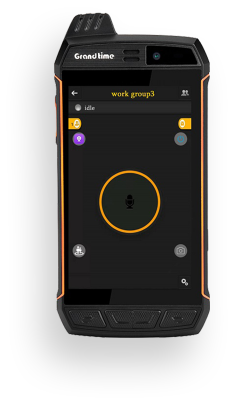
🎙 Two-Way Voice Communication
Command centers can communicate directly with frontline personnel.
📍 GPS Tracking
Managers can understand where field teams are operating.
🚨 SOS / Emergency Alerts
Frontline personnel can send an alert when immediate assistance is required.
🎯 Remote Dispatch
Command centers can coordinate personnel and respond more efficiently.
This changes the role of a body camera.
It is no longer simply a recording device.
It can become part of a:
Real-Time Connected Field Operations System
What Changes for the Organization?
|
Traditional Approach |
Connected Wearable Approach |
|
Record after the event |
Capture during the event |
|
Rely on individual reports |
Objective video & audio evidence |
|
Investigate after complaints |
Review events with richer context |
|
Separate communication tools |
Video + voice + GPS in one workflow |
|
Limited field visibility |
Real-time operational visibility |
|
Manual coordination |
Connected remote dispatch |
|
React after an incident |
Respond while it is happening |
The value is therefore not simply:
“Better video.”
It is:
Better visibility + stronger evidence + faster communication + faster response.
The Bigger Opportunity: Connecting Frontline Workers
This is where I believe the next stage of wearable technology becomes particularly interesting.
A body camera can be one component of a broader connected-worker ecosystem:
Body Camera
Smart Helmet
PoC Communication
AI AR Glasses
Dispatch Platform
Cloud / Software Platform
Together, these technologies can help connect:
Frontline Workers ↔ Command Centers ↔ Management Systems
The objective is not simply to record more video.
It is to create:
Better visibility
Faster communication
Stronger accountability
Better worker safety
More efficient field operations
The Takeaway
A Body-Worn Camera does not replace written reports.
And it should not.
Written records remain important for administrative and legal processes.
The better approach is to combine both:
Written Records
For decisions, procedures, and formal documentation.
Body-Worn Video
For objective visual and audio records of what happened.
Connected Software
For managing, searching, sharing, and analyzing the information.
Together, they create a much stronger field evidence workflow.
So perhaps the real question is not:
“Do we need a body camera?”
It is:
“If a customer, manager, regulator, or investigator asks us tomorrow what really happened in the field, how quickly can we show them?”
That is where modern connected wearable technology can make a difference.