




We value your privacy
We use cookies to enhance your browsing experience, serve personalized ads or content, and analyze
our traffic. By clicking "Accept", you consent to our use of cookies.
Industrial operators have long relied on fixed IP cameras to monitor entrances, warehouses, production lines, and key infrastructure. While these systems provide valuable coverage for stationary areas, they cannot follow workers as they move along tracks, climb substations, or enter tunnels. For railway operations and maintenance teams, this gap in visibility can affect safety, efficiency, and incident response.
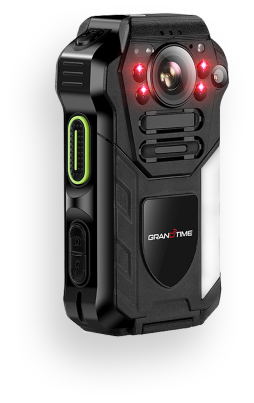
4G body worn cameras are emerging as a practical way to extend surveillance beyond fixed locations. By putting a mobile, real-time video node on each worker, operators can see high-risk tasks from a first-person perspective, coordinate more effectively, and keep a clearer record of on-site activities. The Grandtime F2S-A, a 4G body worn camera with PTT, GPS, and rugged design, is one example of how this technology is being applied in industrial environments, including railway maintenance scenarios.
The Limits of Fixed IP Cameras in Railway and Industrial Environments
Railway infrastructure is inherently linear and distributed. Maintenance crews work along long stretches of track, in remote sections, inside tunnels, and around substations that are difficult to cover comprehensively with fixed cameras.
Typical limitations include:
- Blind spots in mobile work zones: Fixed cameras can monitor stations, depots, or control rooms, but not the actual work being done along the track.
- Temporary and shifting work sites: Track renewal, ballast cleaning, and vegetation control move from one section to another, making permanent camera deployment impractical.
- Harsh and constrained environments: Tunnels, bridges, and electrified zones complicate cabling, power supply, and device protection.
- Limited context for incidents: When an incident occurs, static footage may show the location but not the worker’s actions, tools, or immediate environment.
Adding more fixed cameras is often expensive and still leaves gaps. A complementary approach is to equip frontline staff with wearable 4G cameras that move with them and stream live video back to supervisors or control centers.
What Is a 4G Industrial Body Worn Camera?
A 4G industrial body worn camera is a compact, rugged video device designed to be worn on the body or helmet, typically on the chest, shoulder, or safety helmet. Unlike consumer action cameras, these devices are built for professional use cases that require:
- Continuous, long-duration recording over a full shift
- Reliable live video transmission over cellular networks
- Integration with voice communication and safety functions
- Resistance to dust, water, vibration, and drops
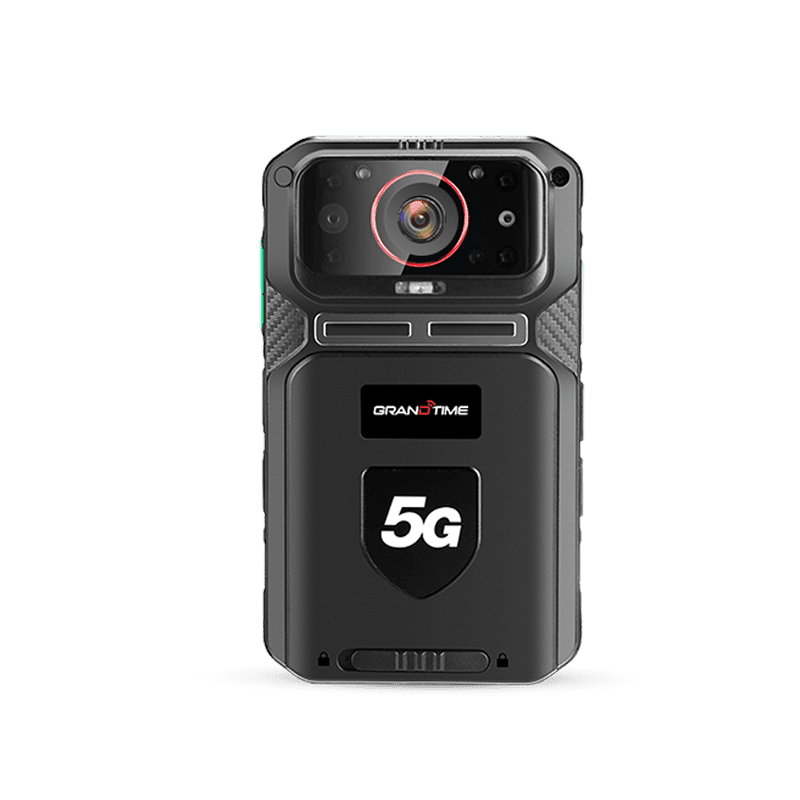
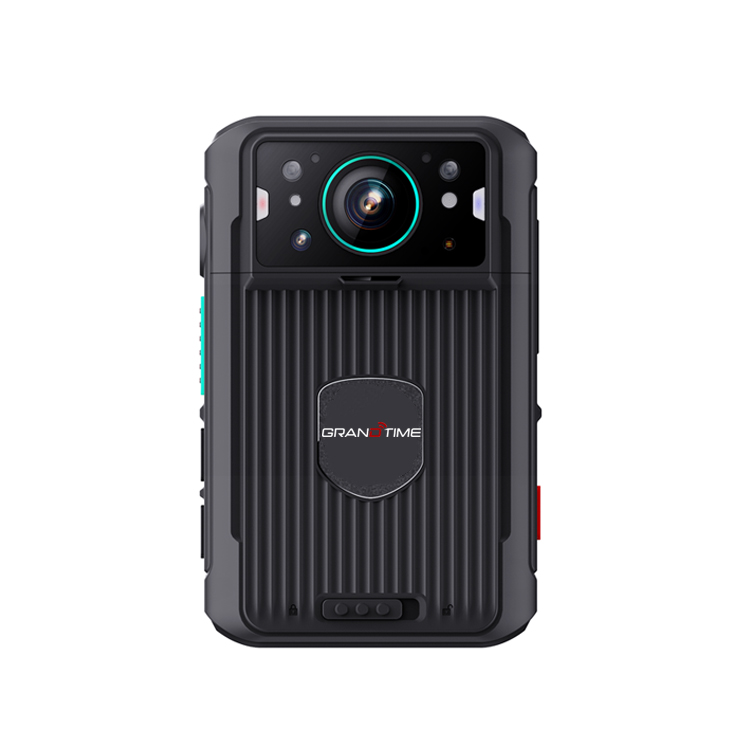
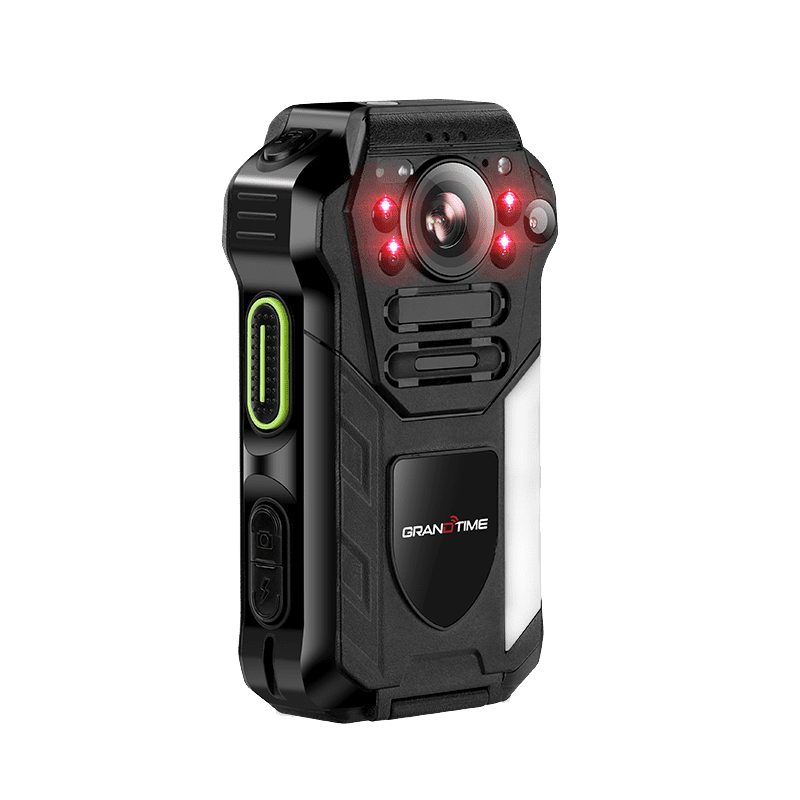
The F2S-A is designed as a 4G body worn camera for professional users in public safety and industrial sectors. It combines a front-facing camera, 4G connectivity, PTT push-to-talk, GPS positioning, and an IP66/68-rated rugged housing in a single wearable unit.
In railway contexts, the focus is not on “law enforcement recording” but on:
- Enhancing worker safety during track and infrastructure maintenance
- Enabling remote experts to see what field crews see
- Providing real-time situational awareness for control centers
- Creating video records of critical procedures and inspections
Key Benefits for Railway Safety and Operations
Railway operators face constant pressure to improve safety, reduce downtime, and demonstrate compliance. 4G body worn cameras address several of these needs simultaneously.
First-Person Visibility for High-Risk Tasks
Maintenance tasks such as track inspection, overhead line work, switch replacement, and tunnel repairs involve significant risk.
- A body worn camera provides:
- A clear view of the worker’s hands, tools, and immediate surroundings
- Context for near-misses, unsafe behaviors, or procedural deviations
- Evidence for post-incident analysis and training
Real-Time 1080p Video Over 4G for Remote Supervision
With 4G connectivity, devices like the F2S-A can transmit 1080p live video from the field to a control room or remote expert. This enables:
- Real-time oversight of high-risk operations
- Immediate guidance when unexpected issues arise
- Reduced need for senior engineers to travel to every site
GPS Positioning for Worker Location Tracking
The F2S-A supports GPS/Beidou positioning, allowing supervisors to see not only the video feed but also the approximate location of each worker. In railway applications, this can help:
- Confirm that crews are working in the correct track section
- Improve coordination between multiple teams along a line
- Support emergency response by quickly locating personnel
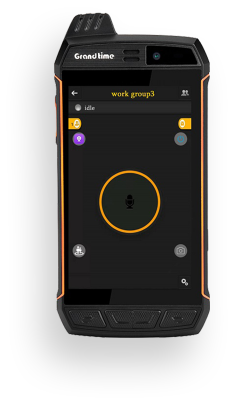
PTT Communication for Fast Coordination
Integrated PTT (push-to-talk) allows workers to communicate with their team or control center at the touch of a button, without handling a separate radio. Benefits include:
- Faster reporting of hazards or defects
- Clearer coordination during possession windows
- Reduced device load (one device for voice and video instead of two)
SOS Alarm for Emergency Response
A physical SOS button enables workers to trigger an emergency alert instantly. In railway scenarios, this can be used when:
- A worker is injured or trapped
- An unsafe condition is detected (e.g., unstable structure, electrical fault)
- Immediate assistance is required in remote sections
Rugged Design for Harsh Railway Environments
Rail maintenance takes place in all weather conditions, often in dusty, wet, or vibrating environments. The F2S-A is rated IP68 for dust and water resistance and is designed to withstand drops and shocks typical of field work. This makes it suitable for:
- Outdoor track work in rain, snow, and extreme temperatures
- Tunnel and substation inspections where dust and moisture are common
- Daily use by crews who may not be able to handle delicate devices carefully
Long Battery Life for Full-Shift Recording
Maintenance shifts can be long, especially during planned possessions or emergency repairs. The F2S-A’s 3050 mAh removable battery supports extended recording and operation over a full shift, reducing the risk of gaps in coverage.
Typical Use Cases in Railway Operations and Maintenance
Track Inspection and Maintenance
Inspection teams walk along tracks to check rails, fastenings, sleepers, and ballast conditions.
With a 4G body camera:
- Inspectors can stream live video of defects to engineers in the office
- Supervisors can verify that inspection procedures are followed
- Video records can support maintenance planning and compliance audits
Overhead Line and Electrification Work
Work on catenary systems and substations involves high voltage and strict safety protocols.
Body cameras can:
- Document lockout/tagout procedures and safety checks
- Allow remote electrical experts to guide on-site technicians
- Provide evidence in case of electrical incidents or arc flashes
Tunnel and Bridge Inspections
Tunnels and bridges are critical yet challenging assets. Inspection teams often work in confined, poorly lit, or elevated environments.
Wearable cameras enable:
- First-person views of cracks, corrosion, water ingress, or structural damage
- Real-time collaboration with structural engineers
- Safer operations by reducing the need for multiple personnel in hazardous zones
Station and Depot Maintenance
While stations and depots often have fixed CCTV, maintenance activities (e.g., platform repairs, signaling work, roof maintenance) still create blind spots. Body cameras can:
- Complement existing CCTV by covering close-up work
- Support contractor supervision and quality control
- Create records for handover and warranty claims
Emergency Response and Incident Management
When derailments, collisions, or infrastructure failures occur, rapid and accurate information is critical.
Body worn cameras allow first responders and maintenance crews to:
- Stream live video from the incident site to the control center
- Share visual information with senior decision-makers who are not on site
- Record actions taken during the response for later review
How the F2S-A Fits Into a Railway Safety System
The F2S-A is not intended to replace existing railway CCTV, SCADA, or signaling systems. Instead, it acts as a mobile video layer that extends visibility to where workers actually operate.
Complementing Fixed Surveillance
- Fixed cameras: Monitor stations, depots, level crossings, and key infrastructure points.
- F2S-A body cameras: Follow workers along tracks, into tunnels, and onto structures, capturing tasks that fixed cameras cannot see.
- Together, they create a more complete picture of both infrastructure and operations.
Network Flexibility: 4G + Wi‑Fi
Railway environments may have a mix of public 4G networks, private LTE, and Wi‑Fi hotspots in depots or stations. The F2S-A supports 4G full Netcom and dual-band Wi‑Fi, allowing deployment in varied network conditions.
Efficient Video Encoding
Support for H.264/H.265 video compression helps reduce bandwidth consumption and storage requirements, which is important when streaming multiple live feeds from dispersed teams.
Integration With Existing Workflows
Depending on the project setup, F2S-A devices can be integrated with:
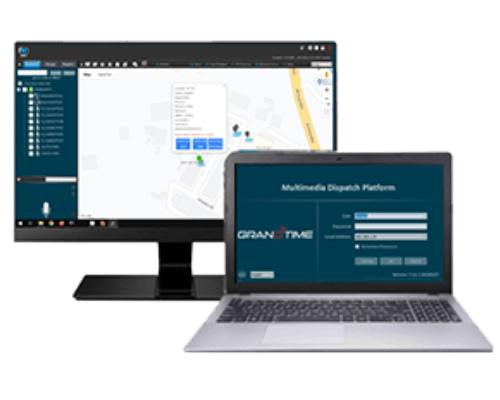
- Command and control platforms for live video and GPS tracking
- PTT dispatch systems for voice coordination
- Safety management systems for incident documentation and review
Conclusion: Extending Visibility Beyond Fixed Cameras
For railway operators, safety and efficiency depend on knowing not only what the infrastructure looks like, but also how work is actually performed on and around it. Fixed cameras will remain essential for monitoring stations, depots, and key assets, but they cannot replace the need for mobile, first-person visibility.
4G body worn cameras like the F2S-A offer a practical way to bridge this gap. They bring real-time video, location awareness, and instant communication to track crews, inspection teams, and emergency responders, while integrating with existing safety and command systems.