




We value your privacy
We use cookies to enhance your browsing experience, serve personalized ads or content, and analyze
our traffic. By clicking "Accept", you consent to our use of cookies.
When employees work in the field, not every problem happens during an emergency. Issues often arise hours, days, or even weeks later: a customer disputes what happened, an incident is described differently by two people, a compliance question emerges, or management needs to understand what actually occurred on-site.
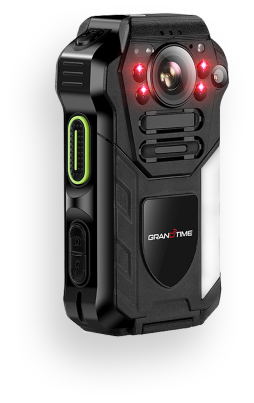
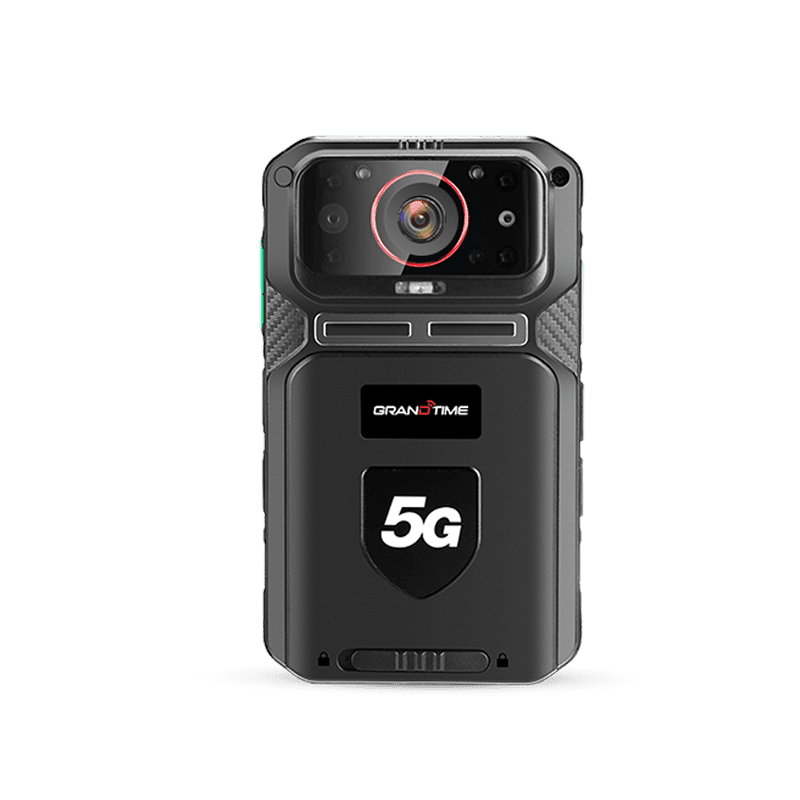
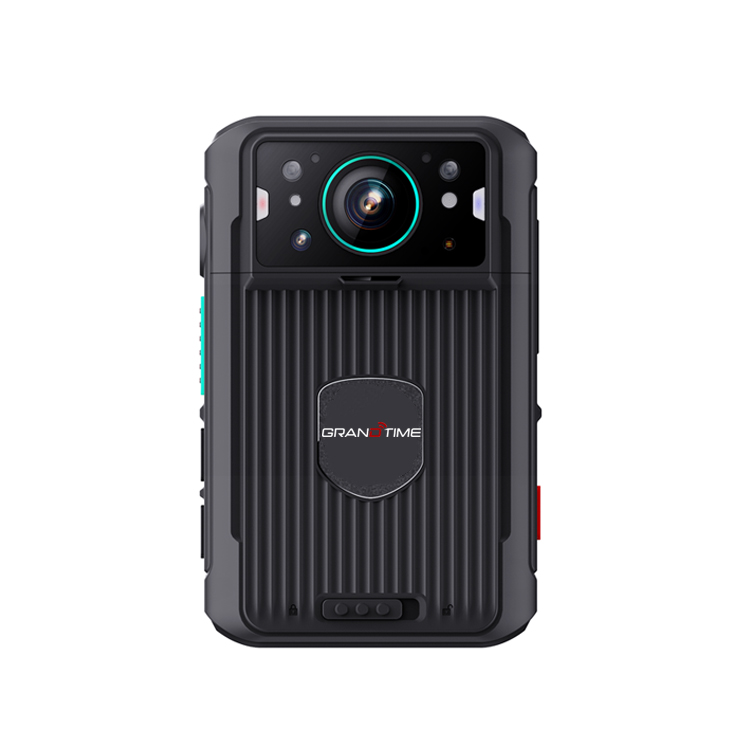
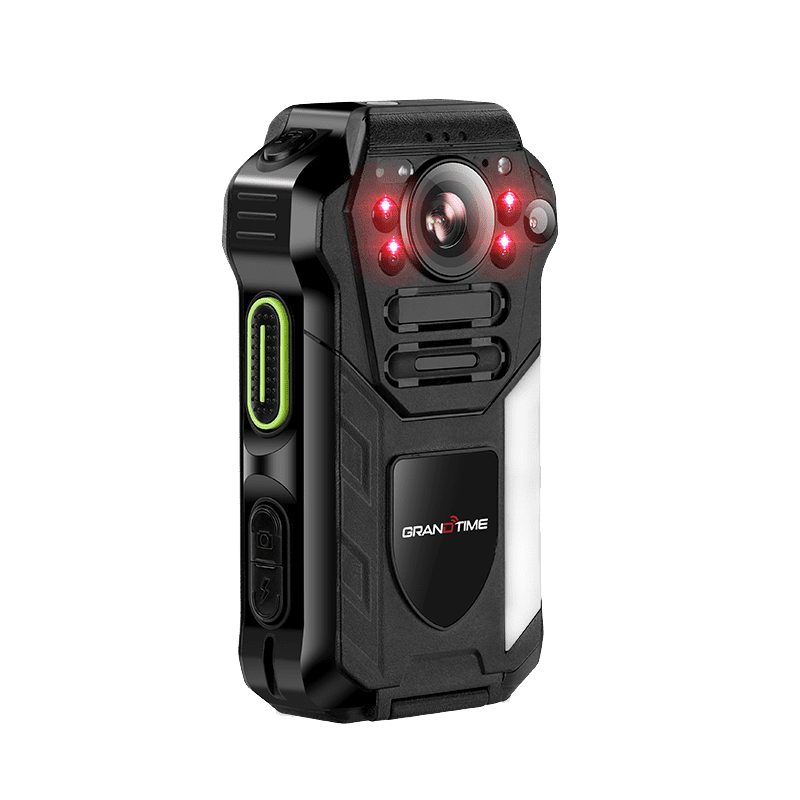
Body-worn cameras help field teams document customer interactions, capture unexpected incidents, demonstrate accountability, support remote supervision, and manage video evidence through a more traceable workflow.
In these situations, “we have a written report” may not be enough. The following five scenarios show where a body-worn camera can provide an additional layer of protection for both your field team and your organization.

1. When a Customer Disputes What Happened
The challenge
A technician completes an inspection. A security officer handles an incident. A field operator completes a delivery or service. Everything seems normal — until the customer later says, “That’s not what happened.”
Relying only on memory or handwritten notes can make it difficult to reconstruct what actually occurred, especially when accounts differ.
How a body-worn camera helps
A body-worn camera provides a first-person record of the interaction, helping field teams and managers review what was actually said and what happened on-site, rather than relying entirely on memory. This can support incident investigation and customer-dispute resolution.
Relevant features
First-person video recording
Timestamped footage
Audio recording (where permitted by policy and law)
Secure upload to a centralized platform
2. When an Incident Happens Unexpectedly
The challenge
Field teams often cannot predict when an incident will occur: a confrontation, a safety incident, property damage, or an unexpected emergency. When every second matters, manually documenting the situation afterward can leave important details missing.
How a body-worn camera helps
With a body-worn camera, the event can be captured as it unfolds, creating a more complete record for subsequent investigation and review. Video evidence can show the sequence of actions, the environment, and the behavior of all parties involved.
Relevant features
One-button or automatic recording
Wide-angle lens for situational awareness
Low-light performance for indoor and night operations
Quick docking or wireless upload after shifts
3. When Compliance Needs to Be Demonstrated
The challenge
For industries such as public safety, transportation, construction, industrial operations, and security, organizations increasingly need to demonstrate that procedures were actually followed. Audits, insurance reviews, and regulatory checks may require more than internal reports.
How video evidence supports documentation
Video evidence can complement written reports by providing an additional record of the working environment and field activities, subject to applicable policies and legal requirements. It’s not just about recording video; it’s about creating traceable evidence that can be reviewed when questions arise.
Important policy considerations
Body-worn cameras should be deployed in line with local laws, labor regulations, and organizational policies on privacy, consent, and data retention. Clear rules on when recording is allowed, who can access footage, and how long recordings are stored are essential for responsible use.
Relevant features
Configurable recording policies (on-demand, event-triggered, or always-on where permitted)
User authentication and role-based access
Audit logs for access and export activities
Integration with existing compliance and risk-management workflows
4. When Managers Cannot Be Everywhere: Remote Field Supervision
The challenge
A supervisor may be responsible for dozens — or even hundreds — of field employees. They cannot physically follow every inspection, patrol, delivery, or operation. Yet they still need visibility into what is happening in the field.
How connected body cameras help
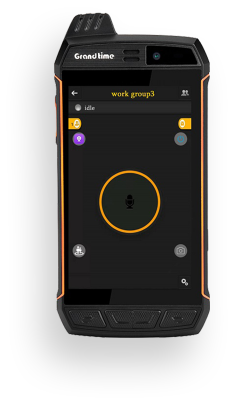
A connected body camera can add another layer of visibility through features such as live video streaming, GPS positioning, two-way communication, and SOS alerts. Instead of waiting for a problem to be reported, management can have greater situational awareness and respond more quickly when needed.
Relevant features
Live video streaming over Wi‑Fi or cellular networks
Real-time GPS location tracking
Two-way audio communication between field staff and control room
SOS or emergency alert buttons
Geofencing and route tracking (where supported)
5. When Evidence Needs to Be Securely Managed
The challenge
Recording video is only the first step. The bigger question is: what happens to the evidence afterward? If files remain on individual devices or are transferred manually, organizations may face problems with lost files, scattered records, manual management, unauthorized modification, and difficult retrieval.
How a centralized evidence system helps
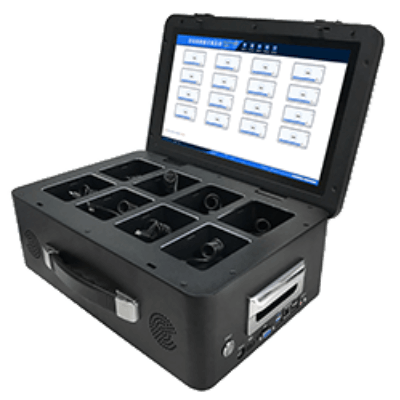
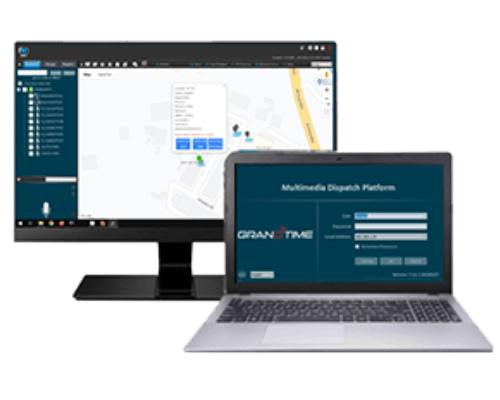
A body camera solution combined with a centralized evidence collection and management system can help create a more controlled evidence workflow — from capture to upload, storage, search, and review. This reduces the risk of missing or inconsistent records and makes it easier to locate relevant footage when it is needed.
Relevant features
Automatic or semi-automatic upload via docking stations or software clients
Encrypted storage and transmission
Case- or incident-based organization of recordings
Search by date, time, location, user, or tags
Export controls and audit trails for legal and internal reviews
The Bigger Picture: From “Camera for Employees” to Field Operations System
A body-worn camera should not simply be viewed as a “camera for employees.” For the right organization, it can become part of a broader field operations and evidence management system.
Capture what happened.
Know where it happened.
Keep the evidence organized.
Make it easier to verify later.
Because when a dispute or incident happens, the most important question is often not “Who remembers what happened?” but “What evidence do we have?”
How to Choose a Body-Worn Camera Solution for Field Teams
When evaluating body-worn camera solutions, consider the following factors:
Battery life and shift coverage: Can the device last a full shift, or is hot-swapping required?
Video quality and low-light performance: Is the resolution sufficient for identification and incident review?
Connectivity: Does the solution support Wi‑Fi, 4G/5G, or docking stations for reliable upload?
Evidence management: Is there a secure platform for organizing, searching, and controlling access to recordings?
Integration: Can the system integrate with existing security or compliance workflows?
Policy and compliance: Does the deployment model align with applicable laws and internal policies on privacy and data protection?
Grandtime Tech develops body-worn camera and evidence management solutions for organizations that need reliable field documentation, operational visibility, and secure video workflows. Our team can help you evaluate which features and deployment model best fit your use case.
Frequently Asked Questions
What is a body-worn camera used for in field operations?
A body-worn camera is used to record first-person video and audio of field activities, such as inspections, patrols, deliveries, and service visits. It helps organizations document interactions, investigate incidents, and manage evidence more effectively.
How can body-worn cameras help with customer disputes?
Body-worn cameras create an objective record of what happened during a customer interaction. This can clarify conflicting accounts, support internal reviews, and reduce the time spent resolving disputes.
Can body-worn cameras support remote field supervision?
Yes. Connected body cameras with live streaming, GPS, and two-way communication can give supervisors real-time visibility into field operations and enable faster response to emerging situations.
How is body-worn camera footage stored and managed?
Footage is typically uploaded to a centralized evidence management platform, where it can be organized by case, incident, date, location, or user. Access controls, audit logs, and retention policies help ensure that recordings are stored and reviewed securely.
Are body-worn cameras suitable for construction and industrial teams?
Yes, when deployed in line with safety and privacy policies. Construction, industrial, and field service teams can use body-worn cameras to document site conditions, safety incidents, and work procedures.
What is the difference between a body camera and an evidence management system?
A body camera captures video and audio in the field. An evidence management system handles upload, storage, organization, access control, and review of recordings. Together, they form an end-to-end workflow for field documentation and evidence handling.
What About Your Organization?
Which of these situations creates the biggest challenge for your field teams?
Customer disputes
Incident investigation
Compliance and accountability
Remote field supervision
Evidence management
If you would like to explore how Grandtime Tech body-worn cameras and evidence management solutions can support your field operations, contact our team to discuss your requirements or request a product demonstration.