


We value your privacy
We use cookies to enhance your browsing experience, serve personalized ads or content, and analyze
our traffic. By clicking "Accept", you consent to our use of cookies.
As industrial companies increasingly adopt connected worker technologies, smart safety helmets are becoming an important tool for improving field visibility, communication, and operational safety. For overseas buyers, however, selecting the right smart safety helmet manufacturer involves more than comparing product specifications. Hardware reliability, connectivity, software integration, customization capabilities, and long-term project support are equally important considerations.
For companies sourcing smart safety helmets from China, understanding these factors can help identify a manufacturing partner capable of supporting both current requirements and future deployment needs.

1. Look Beyond Traditional Safety Helmets
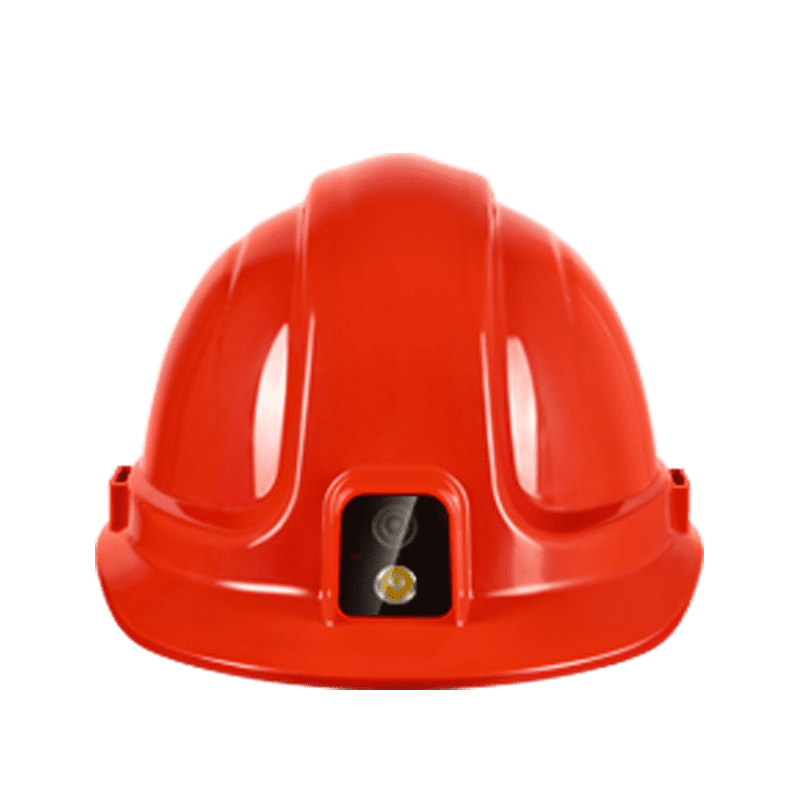
A smart safety helmet camera is more than a conventional protective helmet with a camera attached. Depending on the application, it may combine live video transmission, two-way communication, GPS positioning, emergency alerts, and remote monitoring into a connected device for frontline workers.
These capabilities can help organizations in construction, mining, utilities, transportation, and industrial maintenance improve visibility into field operations.
When evaluating suppliers, buyers should distinguish between basic recording devices and connected wearable terminals designed for real-time communication with a management platform.
The right configuration depends on the operational environment, network coverage, monitoring requirements, and the software infrastructure already used by the customer.
2. Evaluate 4G and 5G Connectivity for Real-Time Operations
Connectivity is a key consideration when selecting an industrial smart helmet.
For remote inspections, construction site supervision, utility maintenance, and other field operations, live video can help supervisors understand on-site conditions without always traveling to the location.
Depending on the model, buyers may need features such as:
- 4G LTE or 5G connectivity for live video transmission
- Wi-Fi connectivity for local communication or data transfer
- GPS positioning for workforce visibility
- Two-way voice communication and push-to-talk functionality
- Remote video monitoring and recording
- Emergency communication capabilities
Buyers should also verify supported cellular frequency bands, network compatibility in the target country, battery life under actual streaming conditions, and integration with their existing software platforms.
Not every project requires 5G. In many applications, a well-configured 4G device may provide a practical balance between functionality, coverage, and deployment cost.
3. Choose a Manufacturer with OEM and ODM Capabilities
For distributors, system integrators, and enterprise solution providers, customization can be just as important as the device itself.
A capable OEM/ODM partner should be able to discuss requirements such as hardware configuration, device appearance, mounting options, connectivity, software integration, and application-specific features.
Buyers should clarify which elements can be customized, which require additional engineering, and which are already available as standard configurations.
It is also important to establish the scope of customization, development costs, minimum order quantities, production lead times, quality-control procedures, and after-sales support before moving into mass production.
A manufacturer with both hardware and software development capabilities may offer greater flexibility when a project requires more than an off-the-shelf device.
4. Match the Device to the Industrial Application
Different industries have different operational requirements.
Construction and infrastructure:
Live video, voice communication, and remote supervision can help project managers monitor activities across large or distributed sites.
Electric power and utilities:
Hands-free video communication and remote inspection can help experts assess field conditions and support technicians working at remote locations.
Mining and industrial maintenance:
Rugged device design, reliable connectivity, and appropriate mounting solutions are important considerations for demanding working environments.
Transportation and railway maintenance:
Wearable video and communication devices can support field inspections, operational coordination, and documentation.
For hazardous environments, buyers should separately verify the applicable safety certifications and approvals.
A rugged device or an IP-rated enclosure should not automatically be considered suitable for explosive atmospheres.
5. Consider the Complete Hardware and Software Solution
The value of a smart safety helmet depends not only on its hardware but also on how it fits into the customer's operational workflow.
Before selecting a supplier, buyers should determine whether the device needs to connect to an existing video management platform, dispatching system, remote assistance solution, or workforce management application.
Important questions include:
- Does the device support the required live video protocol or software platform?
- Can multiple devices be monitored simultaneously?
- Are remote configuration and device management available?
- Can video, communication, and emergency alerts be integrated into existing workflows?
- What technical documentation and integration support can the manufacturer provide?
Clarifying these requirements early can help reduce integration risks and avoid unexpected development costs.
Grandtime Tech: Smart Safety Helmet Solutions for Industrial Applications
Shenzhen Grandtime Technology Co., Ltd. develops and manufactures connected wearable devices for public safety and industrial workforce applications. Its product portfolio includes smart safety helmet cameras, body-worn cameras, push-to-talk over cellular radios, and AR smart glasses.
Grandtime offers OEM and ODM services for customers seeking customizable hardware and software solutions.
Its smart helmet camera portfolio includes different configurations designed for industrial fieldwork and remote supervision.
The H1 4G Smart Helmet Camera supports live video streaming, remote video monitoring, GPS positioning, and two-way communication.
The H8 series offers detachable helmet-mounted camera configurations, with model-specific options for 4G or 5G connectivity.
These devices are intended for applications where frontline video, communication, and remote visibility are important to daily operations.
For overseas distributors, system integrators, and enterprise buyers, the appropriate configuration depends on the project requirements, target market, network compatibility, software integration needs, and deployment scale.
Rather than selecting a device based on a single specification, buyers should evaluate the complete solution and the manufacturer's ability to support their intended application.
Questions to Ask Before Selecting a Smart Safety Helmet Supplier
Before requesting a quotation, overseas buyers should prepare a clear set of technical and commercial requirements:
- What industries and working environments will the device serve?
- Is 4G sufficient, or is 5G required?
- Is live video streaming needed, and which platform will receive the video?
- Are GPS, push-to-talk, SOS alerts, or other functions required?
- Does the project require OEM/ODM customization?
- Which certifications and local network approvals are necessary?
- What are the expected order quantity, deployment schedule, and after-sales support requirements?
A well-defined specification helps manufacturers recommend a suitable configuration and allows buyers to compare suppliers on a consistent basis.
For organizations seeking a smart safety helmet manufacturer in China, the objective should be to find a partner whose technical capabilities, customization options, and support model align with the project's real operational needs.