




We value your privacy
We use cookies to enhance your browsing experience, serve personalized ads or content, and analyze
our traffic. By clicking "Accept", you consent to our use of cookies.
Q: What is a 4G/5G body-worn camera?
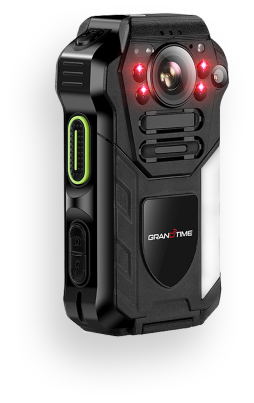
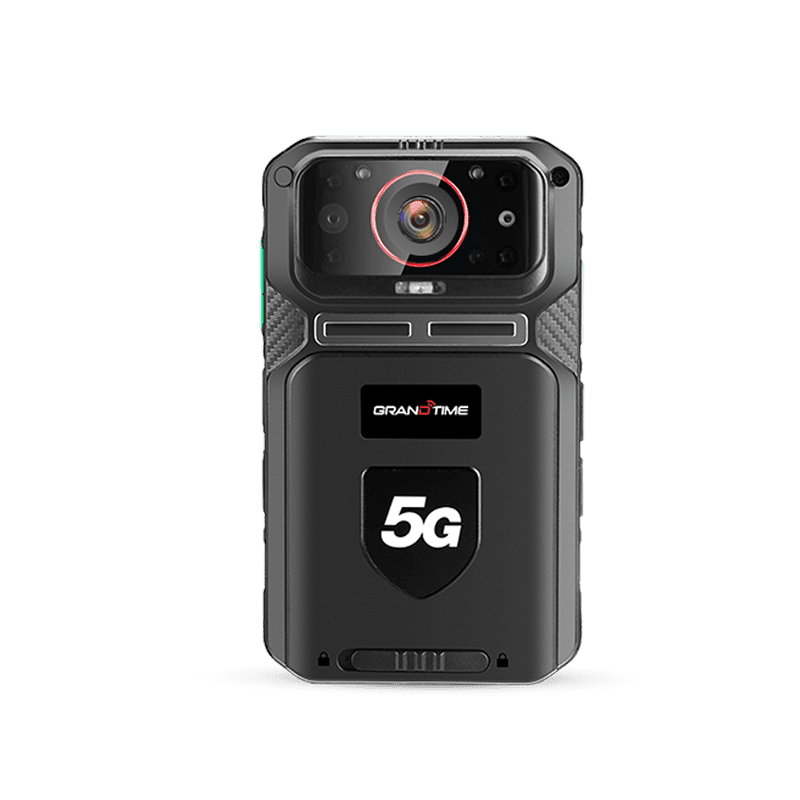
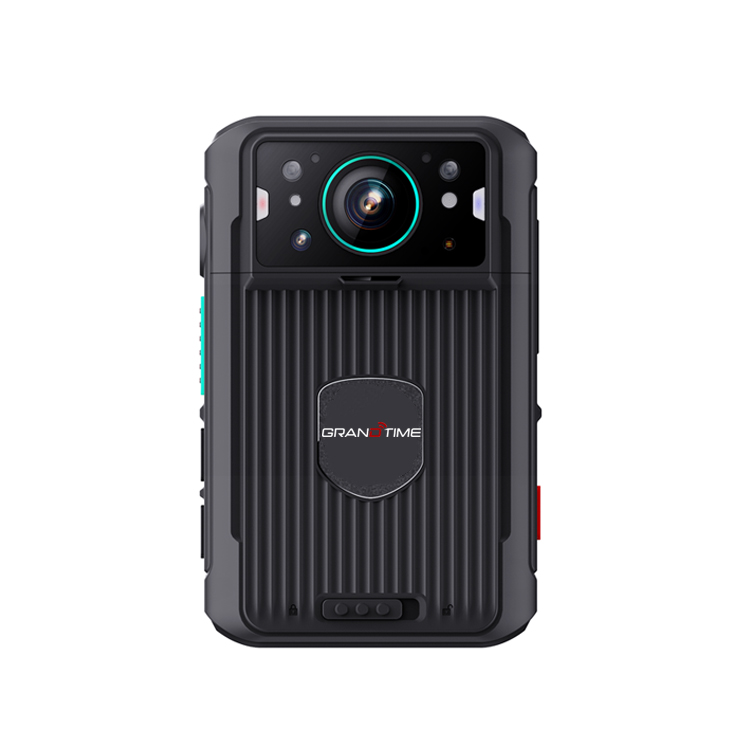
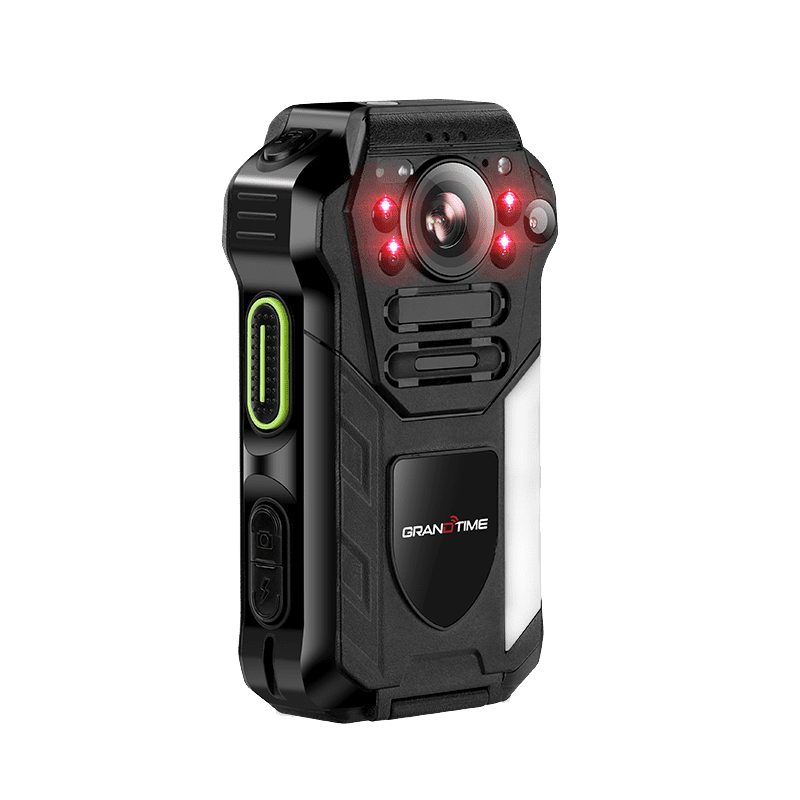
A: A 4G/5G body-worn camera is a wearable device, often used for law enforcement or security, that captures video/audio and uses cellular networks (4G LTE or 5G) for high-speed, real-time transmission of footage to a command center, enabling live monitoring, immediate dispatch, and better situational awareness, at the same time also support 2 way voice communication, unlike older cameras that only stored footage locally. These modern 4G 5G cameras offer 2 way voice communication, HD/2K/4K video, night vision, GPS, and secure encrypted data, making them crucial for accountability and rapid response.
Q: Which industry or groups of people can use 4G 5G body worn cameras?
Police will use 4G 5G body worn cameras to provide evidence, reduce complaints, and help build public trust in the event of an encounter. However, driven by improvements in durability, connectivity, and data management, their adoption has far exceeded the scope of law enforcement. In the business sector, private security companies rely on them to monitor high-risk environments such as banks, hospitals, retail stores, factories, warehouses, and event venues. Retailers use them to prevent theft and record employee customer interactions to ensure compliance with security standards. Logistics companies equip delivery drivers with these devices to verify package handling and resolve disputes over lost or damaged goods. In the healthcare field, hospitals deploy them to protect employees from violence, record patient interactions for training, and maintain accountability in high-pressure environments such as emergency rooms.
Q: What is Key Features & Benefits of 4G 5G body worn cameras?
A: Real-Time Streaming: Transmits live video and audio over 4G/5G, crucial for emergency response and command centers.
Enhanced Situational Awareness: Command centers can see events as they unfold, improving officer safety and decision-making.
High-Definition Quality: Captures clear video (HD/2K/4K) and audio, preserving vital evidence details.
Advanced Functionality: Includes night vision, GPS tracking, wide-angle lenses, and stabilization (like gimbals).
Data Security: Uses robust encryption (like AES-256) for secure transfer and storage of sensitive footage.
Increased Accountability: Provides an objective record of interactions, benefiting both officers and the public.
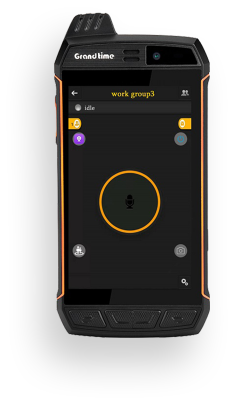
Push-to-Talk (PTT): offer cellular-based two way radio communication within the device.
Q: Where is the footage of 4G 5G body worn cameras stored?
A: First, let us introduce the recording footage process:
Recording: The officer's body camera records video and audio.
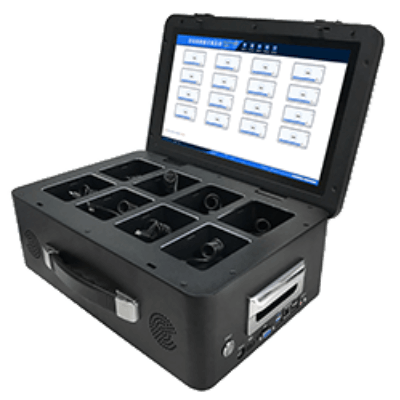
Automatic Upload: At the end of a shift, the camera is connected to docking station to recharge and at the same time the footage data will be collected by docking station (often for charging). Or can choose to automatically uploads via Wi-Fi or other connections to a secure server. In emergency, also can upload to server via 4G or 5G network
Digital Evidence Management System (DEMS): This uploaded data goes into specialized software platforms that manage, secure, and organize the evidence
Second, where it's stored:
Cloud Storage: Most projects use cloud-based platforms for scalable and secure storage.
On-Premises Servers (Physical Servers): Many police and government projects use local servers (SAN/NAS) in their own facilities for immediate control, security, and faster access to frequently used data.
Secure Servers: Footage is stored on encrypted servers, making it inaccessible to officers to delete or tamper with.
Q: Can anyone edit the video?
A: The original version of the video cannot be edited by anyone, including system administrators.Redacted copies of the videos to blur people/objects, remove audio, and narrow the video torelevant sections can be created by authorized users. The original version the video will remainunchanged.
Q: How long the footage of body worn camera retain?
A: Body-worn camera footage retention varies greatly, but generally, non-evidentiary footage is kept for short periods (e.g., 30-90 days) before automatic deletion, while footage flagged for investigations (criminal, civil, administrative) is retained much longer, often for years or indefinitely, depending on agency policy, laws or until a court order. Key factors are legal requirements, the footage's evidentiary value, and storage costs. Can customize the retention rules according the project requirements.
Q: Does 4G 5G body worn cameras need to work based software APP and management platform?
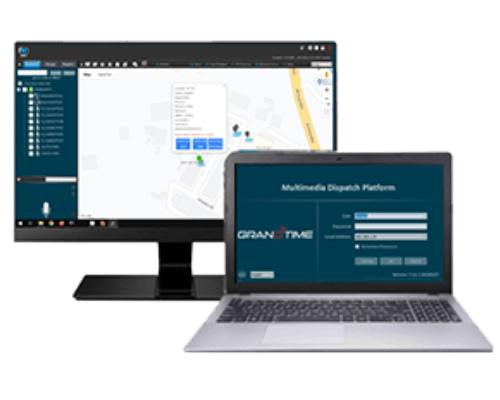
Yes, 4G and 5G body worn cameras are designed to work with software applications (Apps) and a central management platform(web-based dashboard) to enable their advanced features like real-time streaming, data management, and secure storage.
Q: How large is the 4G 5G body worn cameras internal storage size?
A: Grandtime 4G and 5G body worn cameras typically come with internal storage capacities ranging from 32GB to 128GB standard, with options to expand up to 1TB via T-flash/micro SD cards, depending on the model.
Q:What is the battery life of the 4G 5G body worn camera?
A: The battery life of 4G and 5G body worn cameras typically ranges from 8 to 12 hours of continuous recording, designed to last a full operational shift. This duration is affected by factors like resolution, network usage (4G/5G), and use of features like GPS and live streaming. Grandtime 4G/5G cameras with hot swappable battery design and also include a built-in small backup battery that allows the main battery to be swapped out without interrupting an ongoing recording, ensuring zero downtime in critical situations.
Q:How will body worn cameras be worn?
A: 4G 5G Body Worn Cameras (BWCs) will be typically worn on the user's chest, but can also be mounted on shoulders, belts, or headgear using various clips, magnetic clips and harnesses.
Q: Are the 4G 5G body worn cameras rugged and sturdy enough?
A: Yes, professional Grandtime 4G and 5G body worn cameras are specifically engineered to be highly rugged and sturdy for use in demanding operational environments such as law enforcement and security.
Grandtime body worn camera equipment is IP67 or 68 waterproof and dustproof, in compliance with MIL-STD810G military standard, and can withstand a 2-meter drop test. Work in temperature range -10°~50°,and stored in -20°~60°range. All products undergo strict reliability tests such as battery aging, drop testing, waterproof testing, salt spray testing, and high and low temperature testing during mass production
Q: How to choose a reliable 4G 5G body worn camera manufacturer?
A: Main product range: First need to confirm their product focus should be on body worn cameras. Companies that focus on 4G 5G body worn cameras will be aware of the latest trends and have a lot of past project experience, especially in large government projects. They can provide customized software and hardware, and will constantly update and upgrade their products.
Professional Team and technical support: As body-worn cameras are technology-based, you will need technical support. So professional sales and engineering team, as well as timely technical support are very important.
Product specifications, quality and durability: you should evaluate their product's technical specifications whether is compliant with your project requirements. You could consider from the connectivity, photo, video, audio clarity, battery life, whether rugged build, software features and more specs.