




We value your privacy
We use cookies to enhance your browsing experience, serve personalized ads or content, and analyze
our traffic. By clicking "Accept", you consent to our use of cookies.
Construction sites, power facilities, mines, and rail projects are becoming more complex, and safety requirements are higher than ever. Traditional supervision methods are often slow and limited. This is why smart helmet cameras are now widely used across many industries.
A smart helmet camera is not just a camera fixed on a helmet. It is a wearable communication and monitoring device that helps workers stay connected, allows managers to see real working conditions, and improves safety and response speed. But not all smart helmet cameras are suitable for industrial use. Below are the most important features to look for when choosing one.
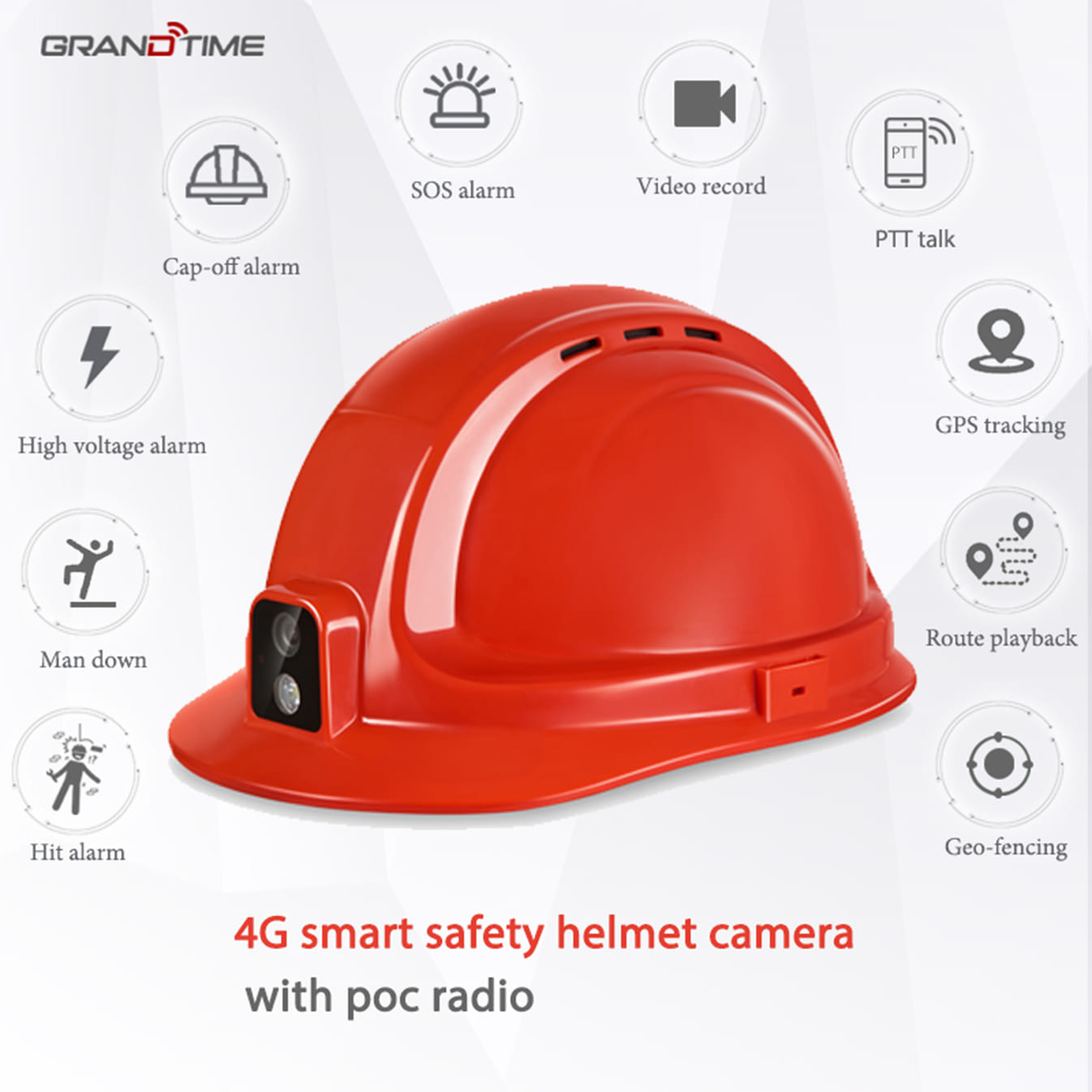
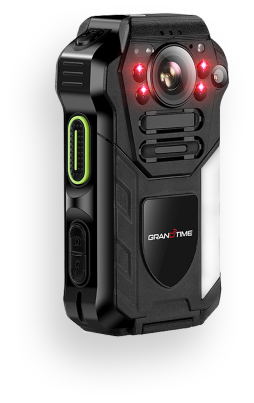
Grandtime 4G Smart Helmet Camera
Stable Operating System And Hardware Platform
The first thing to consider is the operating system and hardware inside the smart helmet camera. Industrial devices need stability more than fancy functions.
An Android-based smart helmet camera, especially one running Android 8.1 or above, offers better compatibility with industrial apps, video platforms, and management systems. An octa-core processor provides smoother video recording, faster response during live streaming, and more stable performance when multiple functions run at the same time.
In real industrial use, workers may record video, communicate by voice, and upload data simultaneously. A weak platform can easily freeze or lag, which affects work efficiency and safety.
Reliable 4G And Wireless Connectivity
Connectivity is one of the core values of a smart helmet camera. Without stable network support, live video and remote monitoring are impossible.
A good industrial smart helmet camera should support 4G LTE, Wi-Fi, and GPS.
With 4G connectivity, workers can stream live video directly from remote construction sites, oil fields, or mines to the management center. Wi-Fi is useful in factories or fixed facilities, while GPS helps track worker location and movement paths.
This combination is especially important for industries such as electric power inspection, railway maintenance, and mining operations, where real-time visibility is critical.
High Definition Camera For Real Work Scenarios
Camera quality matters more than people often expect. In industrial environments, lighting conditions are not always good, and details can be easy to miss.
A 13MP camera with 1080p HD video recording allows clear capture of equipment conditions, safety risks, and on-site operations. This level of detail helps engineers review footage later and allows managers to make accurate decisions during live inspections.
Real-Time Video Streaming And Remote Monitoring
One of the biggest advantages of a 4G smart helmet camera is real-time video streaming. This feature allows supervisors to see exactly what the worker sees.
Live video streaming is widely used in:
● construction management
● power line inspection
● subway maintenance
● oil and gas operations
Managers can guide workers remotely, check safety compliance, and respond immediately if something goes wrong. Remote video monitoring also reduces the need for managers to be physically present on site, saving time and travel costs.
Clear Voice Communication With PTT Function
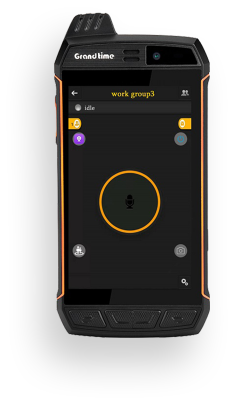
In noisy industrial environments, communication must be fast and clear. A smart helmet camera with a one-touch PTT button makes voice communication simple and efficient.
With dual microphones and a built-in 2W speaker, workers can communicate with team members or the control center without using their hands. This is especially useful when climbing, operating machinery, or wearing gloves.
Voice communication combined with live video gives managers a much better understanding of on-site situations than phone calls alone.
Built-In Safety And Positioning Features
Industrial smart helmet cameras are not only for recording. They also support safety monitoring.
GPS positioning helps track worker locations in real time. This is important in large construction sites, mines, and railway projects. If an emergency happens, managers can quickly locate the worker.
Some models also include torchlight and red laser positioning light. The torchlight helps in dark environments such as tunnels or underground facilities. The red laser can point out specific areas during inspections or remote guidance.
Rugged Design For Harsh Environments
Industrial environments are tough. A consumer-level camera will not survive long on a construction site.
A good smart helmet camera should have:
● IP66 rating for dustproof and waterproof protection
● drop resistance, such as a 1.5-meter drop test
These features ensure the device continues to work in rain, dust, vibration, and accidental falls. For industries like mining, oil and gas, and electric power, rugged design is not optional.
Long-Term Use And Wearable Comfort
Since workers may wear the smart helmet camera for many hours, comfort and weight also matter.
A well-designed wearable camera balances ruggedness and comfort. It should not affect helmet balance or cause neck strain. Buttons should be easy to operate even with gloves.
Battery performance is also important. Continuous video recording and 4G streaming consume power quickly, so efficient power management is necessary for full work shifts.
Industry Compatibility And Management Integration
Finally, consider how well the smart helmet camera fits into your existing system.
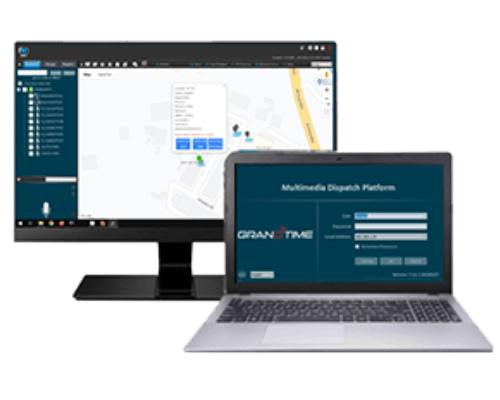
Many industrial users need devices that can integrate with video management platforms, safety systems, and inspection software. An Android-based smart helmet camera is easier to customize for different industries such as construction, electric power, mining, railway, and subway operations.
Conclusion: Choose Smart Helmet Cameras Built For Real Industrial Work
Choosing the right smart helmet camera is about more than technical specs. It is about reliability, safety, and real-world usability.
Grandtime's 4G smart helmet camera is designed specifically for industrial use. With Android 8.1 OS, octa-core processor, 4G Wi-Fi GPS connectivity, 13MP HD camera, PTT voice communication, IP66 protection, and real-time video streaming, it supports safety monitoring, remote video inspection, and efficient on-site management.
If you are looking for a reliable industrial smart helmet camera manufacturer, Grandtime is ready to support your project. Contact Grandtime today to learn how smart helmet cameras can improve safety and productivity on your site.