




We value your privacy
We use cookies to enhance your browsing experience, serve personalized ads or content, and analyze
our traffic. By clicking "Accept", you consent to our use of cookies.
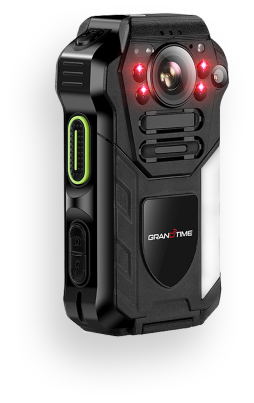
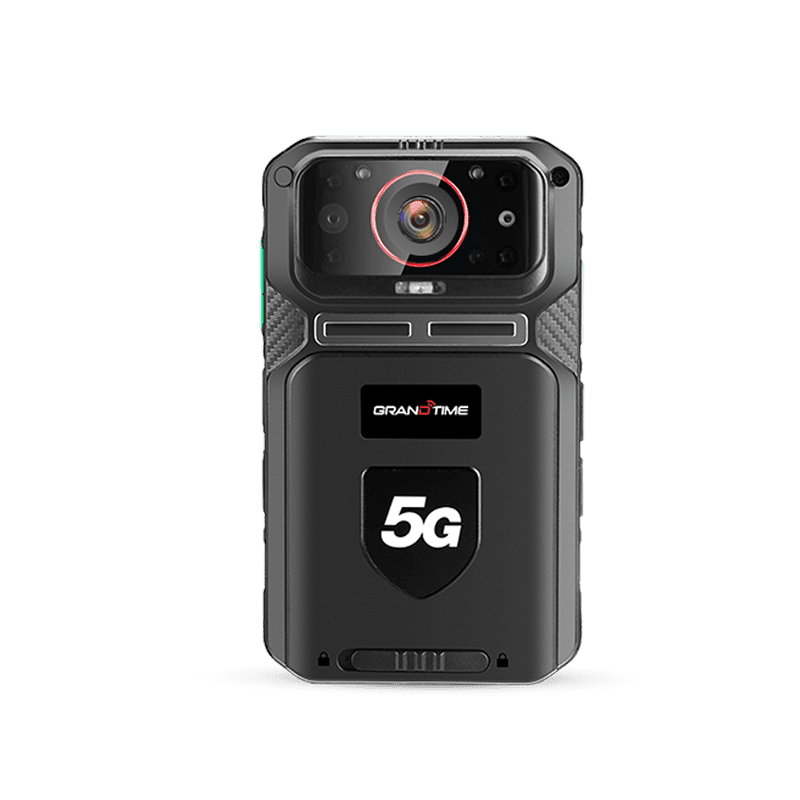
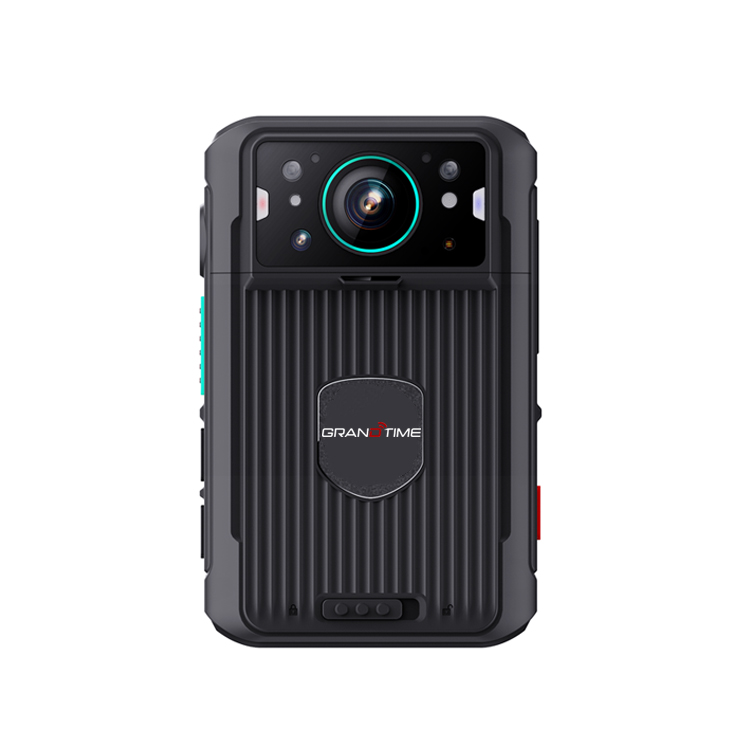
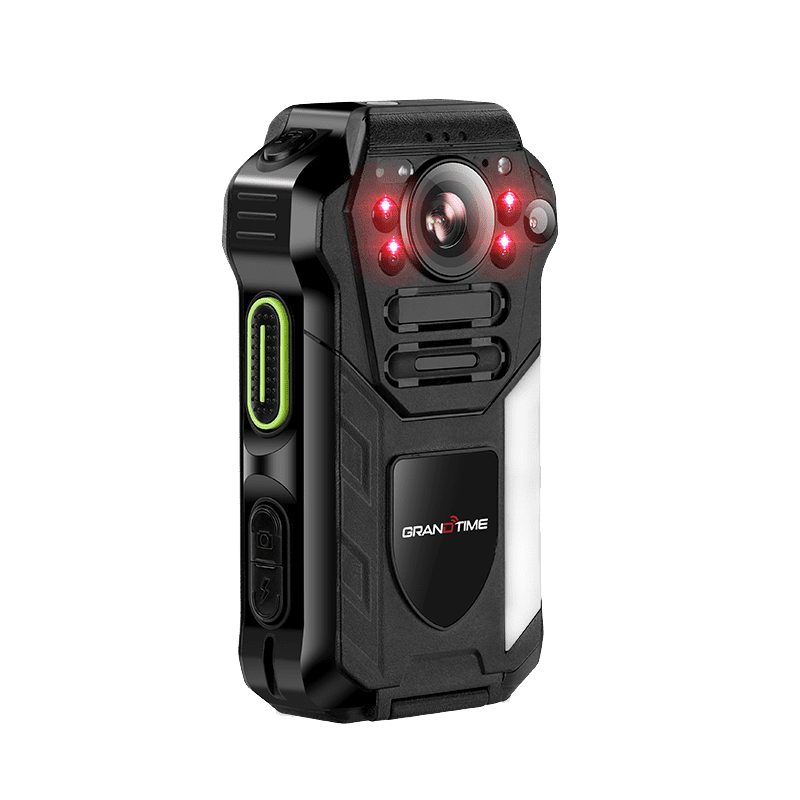
Workers who spend their days climbing towers, repairing elevators, inspecting power lines, or entering tight spaces often face a similar challenge: they need their hands free, but they still need a way to show others what they're seeing on site. That's where a 4G split-type wearable helmet camera steps in. Rugged, Android-based helmet camera—such as the Grandtime wearable helmet camera—has become an essential tool in industrial operations, field inspections, and public-safety tasks.

Grandtime 4G Split-Type Wearable Helmet Camera
Where Can 4G Split-Type Wearable Helmet Cameras Be Used?
Grandtime H8 models come with Android 8.1, octa-core processors, 20MP high-definition lenses, 4G/LTE and Wi-Fi connectivity, GPS, and long-shift battery support, making them reliable companions for workers who operate in harsh or hard-to-reach environments. And because the camera is mounted on a helmet and uses a rotatable 110-degree wide-angle lens, the footage stays steady, accurate, and aligned with the worker's point of view.
Where can 4G split-type wearable helmet cameras be used, and why are so many industries adopting them?
1. Railway Repair and Track Maintenance
Railway inspectors often need to visually document track conditions, switches, tunnels, and underground passages. These areas are not only difficult to access but also dangerous due to limited lighting and constant vibration from active lines.
A helmet-mounted camera allows workers to record HD video while keeping their hands free to perform physical tasks. With real-time video streaming over 4G, supervisors in remote dispatch centers can monitor operations live, confirm that repair steps are performed correctly, and offer immediate guidance if something looks off.
2. Work at Height: Towers, Poles, and Rooftop Operations
Climbing cell towers, checking antenna arrays, and inspecting rooftop HVAC systems all involve considerable risk. Workers often need to secure themselves with both hands, leaving no room to hold a traditional camera or smartphone.
A split-type wearable helmet camera solves this problem elegantly:
● It stays stable on the helmet.
● The wide-angle lens captures the full environment.
● Supervisors can watch live video and track worker location through GPS.
Telecom tower companies and utility contractors increasingly rely on these cameras for documentation and safety auditing. Some even integrate them into their remote-expert workflows to reduce unnecessary site revisits.
3. Elevator Overhaul, Shaft Work, and Close-Quarters Maintenance
Elevator technicians frequently work inside elevator shafts—arguably one of the tightest and least forgiving spaces in building maintenance. Traditional inspection cameras can't fit well, and lighting is often poor.
A helmet camera allows:
● Hands-free recording inside the shaft
● Clear documentation of cable conditions
● Real-time streaming to building supervisors or engineering teams
4. Tower and Transmission Line Maintenance
Power utilities and maintenance crews deal with extreme environments: tall towers, remote mountains, high winds, or long stretches of transmission lines where cellphone signals may fluctuate. A rugged helmet camera like the Grandtime wearable helmet camera, built for durability, is designed exactly for these conditions.
Its features—dual batteries for full-shift recording, real-time 4G streaming, and high-definition 20MP imaging—support:
● Insulator inspections
● Tower component checks
● Corrosion monitoring
● Equipment condition assessments
● Verification of grounding and safety procedures
Central monitoring teams can guide frontline workers without sending additional personnel, improving efficiency and reducing risk exposure.
5. Power Inspection and Substation Monitoring
Inside substations—or any high-voltage environment—precision is critical. Workers must follow strict procedures, and utility companies often need audit-friendly visual documentation.
Helmet cameras play a unique role here:
● They provide a worker's-eye view of switchgear, transformers, and busbars.
● Remote engineers can verify measured data through real-time video.
● Inspectors can capture detailed images thanks to the 20MP lens.
● Supervisors can identify unsafe actions or anomalies immediately.
Some power companies now pair helmet cameras with digital asset management systems, storing video logs for long-term equipment history tracking.
6. Chemical and Energy Plants
Inside chemical plants, oil refineries, and energy facilities, conditions can be hazardous—narrow piping corridors, hard-to-access valves, complex instruments, and exposure risks. In such environments, hands-free operation becomes not just convenient but essential.
A 4G split-type helmet camera assists in:
● Routine inspection rounds
● Leak detection documentation
● Shutdown maintenance
● Confined-space entry monitoring
● Training and onboarding by allowing new technicians to follow real inspection footage
7. Emergency Response and Public Safety
Although originally designed for industrial applications, these helmet cameras increasingly support public-safety work as well—especially when responders need to communicate visuals quickly.
Examples include:
● Fire departments inspecting damaged structures
● Urban search-and-rescue teams working in collapsed buildings
● Hazardous-materials teams documenting chemical spills
● Police conducting real-time reconnaissance in narrow or dangerous spaces
Streaming footage over 4G/LTE ensures that command centers stay updated even during fast-changing incidents.
Why Grandtime Leads in Wearable Helmet Camera Solutions?
Grandtime has focused on creating intelligent, data-driven, and visual-centric solutions that support public safety, industrial operations, and worker protection. Grandtime's 4G split-type wearable helmet camera reflects this philosophy—durable design, high-performance hardware, and customizable software make it suitable for government agencies, utility companies, construction firms, and maintenance contractors.
Our continued work in scientific, visualization-driven, and AI-supported safety solutions makes Grandtime a trusted provider in the field of public safety technology and employee safety solutions.
Conclusion
Whether it's railway repair, work at height, power inspection, or chemical-plant maintenance, 4G split-type wearable helmet cameras have become indispensable tools for any industry that values safety, accuracy, and real-time visibility. With features like HD recording, rotatable wide-angle lenses, dual-battery support, and 4G/Wi-Fi streaming, they bridge the gap between field operations and remote supervision.
Click 4G Split-Type Wearable Helmet Camera to know more or contact us for a custom solution.